
Weight Loss Surgery
Achieve your ideal weight through world-class bariatric surgery. Use our free tools below to understand your options and prepare for your journey.
Our Procedures
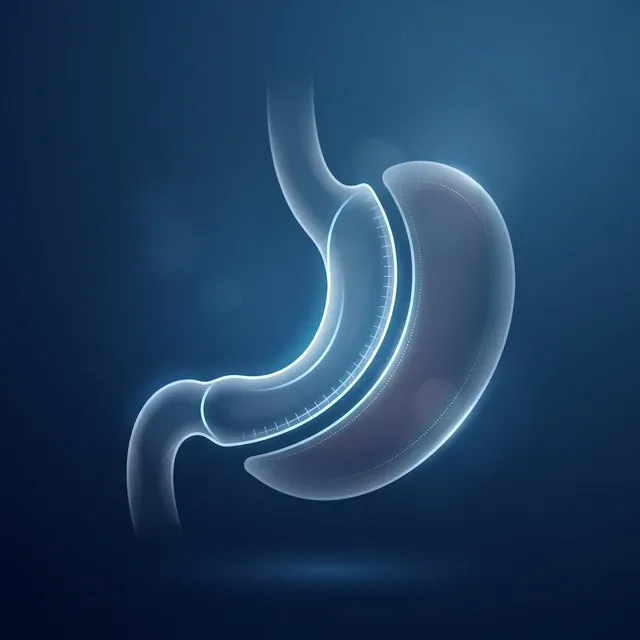 Gastric sleeve surgery reduces stomach size to help patients lose weight effectively and improve overall health.
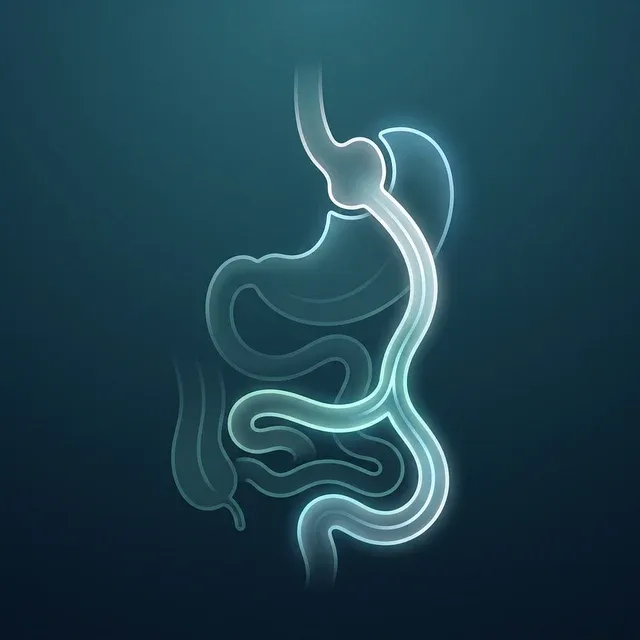 Gastric bypass surgery modifies food digestion in the stomach and intestine to achieve successful and lasting weight loss.
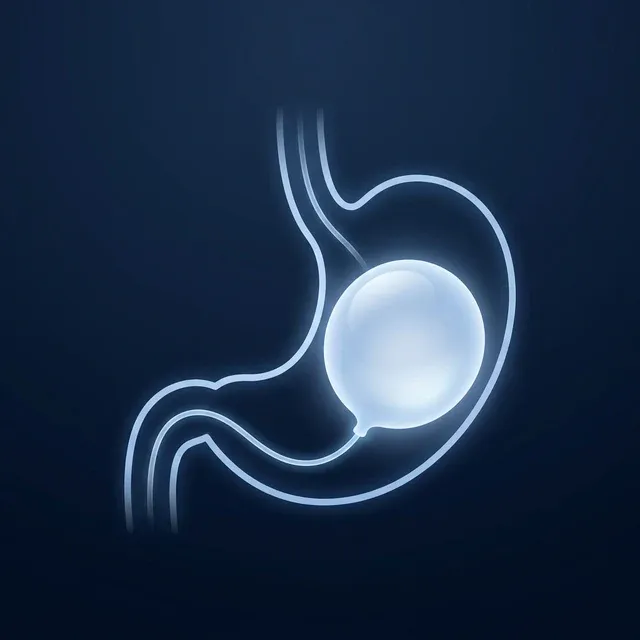 Gastric balloon surgery uses stomach volume reduction to assist patients in losing weight without a permanent surgical change.
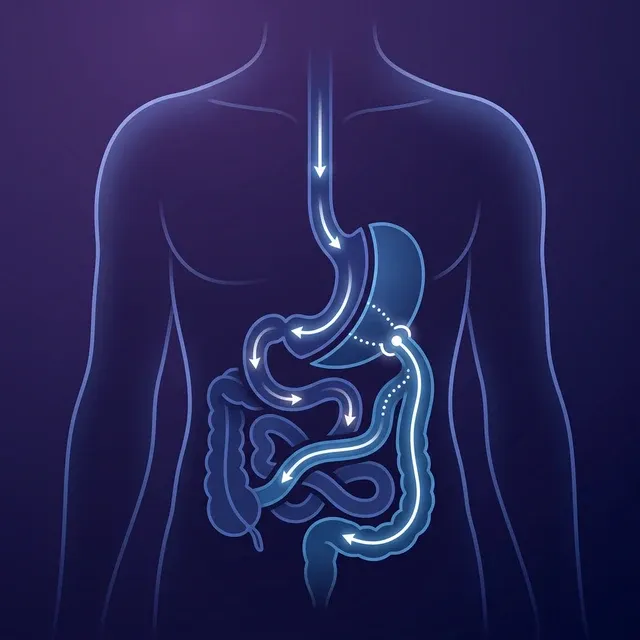 Gastric transit bipartition is an innovative procedure that improves digestion and helps manage metabolic conditions.
Free Patient Tools
Use our free tools to check your eligibility, prepare for surgery, and plan your recovery.
BMI Calculator
Calculate your Body Mass Index to understand your weight category and whether you may be eligible for bariatric surgery.
BMI Categories
- < 18.5UnderweightYou may need to gain weight. Consult a healthcare professional.
- 18.5 – 24.9Healthy WeightYou are at a healthy weight. Keep up the good lifestyle habits!
- 25 – 29.9OverweightYou are slightly above the healthy range. Diet and exercise can help.
- 30 – 34.9Obese Class IYou may benefit from a structured weight loss programme.
- 35 – 39.9Obese Class IIBariatric surgery may be considered. Please consult a specialist.
- ≥ 40Obese Class IIISevere obesity. Bariatric surgery is strongly recommended with specialist guidance.
Note: BMI is a screening tool, not a diagnostic measure. It may not be accurate for pregnant women, athletes, the elderly, or those with high muscle mass.
Operation Guidelines
Comprehensive pre-operative and post-operative guidelines for each bariatric procedure to ensure a safe and successful recovery.
Gastric Sleeve Guideline
Pre-Operative Instructions
- Stop smoking and alcohol at least 4 weeks before surgery
- Stop Aspirin and blood thinners 7 days before surgery
- Stop Metformin (diabetes medication) 2 days before surgery
- Follow a clear liquid diet the day before surgery
- Do not eat or drink anything after midnight before surgery
- Shower the night before and the morning of surgery
- Bring all current medications in original bottles
Post-Operative Timeline
Day 1–2 (Hospital)
- Clear liquids only — water, broth, sugar-free drinks
- Pain medication as prescribed
- Begin short walks to prevent blood clots
- Leak test performed before discharge
Week 1
- Full liquid diet: milk, yogurt, strained soups
- Small sips only — no gulping
- No carbonated drinks
- Walk 10–15 minutes 3x per day
Week 2
- Soft foods: eggs, soft fish, cottage cheese
- Eat very slowly, chew thoroughly
- Stop eating at first sign of fullness
- No drinking 30 mins before/after meals
Weeks 3–4
- Introduce soft solids gradually
- Focus on protein first (60–80g/day)
- Take all prescribed vitamins and supplements
- Light activity — no heavy lifting
Week 5–6+
- Transition to regular healthy foods
- 3 small meals + 2 snacks per day
- Increase exercise gradually
- Attend all follow-up appointments
Gastric Balloon Guideline
Pre-Operative Instructions
- Follow a low-fat, low-residue diet 2 days before the procedure
- Stop eating solid food 12 hours before the procedure
- Stop drinking all liquids 6 hours before the procedure
- Stop smoking 2 weeks before for better healing
- Inform your doctor of all current medications
- Arrange a driver for the day of the procedure
Post-Operative Timeline
Day 1–3
- Liquids only — water, herbal tea, diluted juices
- Nausea and discomfort are normal — anti-nausea medication provided
- Rest and avoid strenuous activity
- Stay well hydrated (at least 1.5L water/day)
Day 4–14
- Introduce yogurt, milk, blended soups
- Eat slowly in small amounts
- No carbonated or fizzy drinks throughout treatment
- No sport or exercise for the first 4 days
Weeks 2–4
- Soft foods: scrambled eggs, soft vegetables, fish
- Follow portion control guidelines from nutritionist
- Begin light walking exercises
- Attend weekly nutritionist sessions
Month 2–6
- Transition to solid food with portion control
- High-protein, low-carbohydrate focus
- Regular moderate exercise 3–5x per week
- Regular follow-up appointments for monitoring
Gastric Bypass Guideline
Pre-Operative Instructions
- Follow a 2-week pre-operative liver reduction diet
- Stop smoking completely — increases surgical risk significantly
- Stop all blood-thinning medications 7–10 days before surgery
- No food or drink after midnight before surgery
- Attend all pre-operative assessments and blood tests
- Begin taking prescribed vitamins 2 weeks before surgery
Post-Operative Timeline
Day 1–2 (Hospital)
- Clear liquids only — no solids
- Pain management with prescribed medication
- Begin walking within hours of surgery
- Protonix (acid reducer) prescribed to protect healing pouch
Week 1
- Full liquid diet: protein shakes, soups, milk
- Take multivitamin, calcium, and B12 daily
- No sugar, alcohol, or carbonated drinks — risk of dumping syndrome
- Short walks every 2 hours
Weeks 2–3
- Soft pureed foods: scrambled eggs, soft fish, mashed vegetables
- Eat 3–4 small meals per day
- Protein target: 60–80g per day minimum
- No drinking 30 minutes before or after meals
Weeks 4–6
- Introduce soft solid foods gradually
- Continue all vitamins and supplements for life
- Moderate exercise — aim for 30 mins daily
- Attend all follow-up appointments for blood tests
Month 2+
- Return to a healthy balanced diet in small portions
- Lifelong vitamin supplementation is essential
- Weight loss goal: 60–80% of excess weight by 12–18 months
- Counselling and support groups recommended
Post-Op Dietary List
A structured diet progression is essential after bariatric surgery. Click each phase to see what you can and cannot eat.
Phase 1 — Clear Liquids (Day 1–2)
Allowed Foods
- Water (room temperature or slightly warm)
- Sugar-free, caffeine-free herbal teas
- Clear, fat-free broth (chicken or vegetable)
- Sugar-free electrolyte drinks / Oral rehydration salts (ORS)
- Diluted, strained fruit juices (no pulp, no sugar)
- Sugar-free Jelly / Gelatin (no fruit pieces)
Important Rules
- Sip slowly — do not gulp
- Take 1–2 small sips at a time
- Drink at least 1.5 litres of fluids per day
- Avoid ice cold or very hot drinks
- No carbonated or fizzy drinks at any point
Phase 2 — Full Liquids (Day 3–14)
Allowed Foods
- Semi-skimmed or skimmed milk
- Plain, low-fat yogurt (no fruit pieces)
- Thin, smooth protein shakes (no chunks)
- Strained, blended soups (no lumps)
- Diluted fruit juice (no pulp)
- Thin cream of wheat or oatmeal (very runny)
Important Rules
- Continue sipping slowly at all times
- No eating solid food yet
- Aim for 60g protein per day via protein shakes
- Take prescribed vitamins daily
- Stop drinking if you feel full — never force yourself
Phase 3 — Soft Foods (Day 15–28)
Allowed Foods
- Scrambled or soft-boiled eggs
- Soft white fish (steamed or poached)
- Minced chicken or turkey (no skin, soft)
- Cottage cheese or ricotta
- Well-cooked, mashed vegetables (no skins)
- Soft, ripe banana or tinned fruit (no syrup)
Avoid
- Bread, rice, pasta, crackers
- Raw vegetables or salads
- Fibrous or stringy vegetables (celery, asparagus)
- Fried or fatty foods
- Spicy foods
- Carbonated drinks, alcohol, sugar
Important Rules
- Chew every bite 20–30 times until food is pureed in mouth
- Eat slowly — one meal should take 20–30 mins
- Stop eating at the FIRST sign of fullness
- Do NOT drink with meals — wait 30 mins after eating
- Protein first, then vegetables, last carbohydrates
Phase 4 — Solid Foods (Day 28+)
Allowed Foods
- Lean meat, fish, poultry (well-cooked)
- Eggs in all preparations
- Low-fat dairy: yogurt, cheese, milk
- Soft cooked vegetables
- Legumes: beans, lentils (soft, well-cooked)
- Whole grain bread in small amounts (toast)
Avoid
- Sugar, sweets, cakes, biscuits
- Carbonated drinks (forever)
- Alcohol (forever)
- High-fat deep-fried foods
- Stringy meats (steak, lamb chops)
- Bread dough or doughy foods
Important Rules
- 3 small meals + 1–2 healthy snacks per day
- Protein goal: 60–80g per day minimum
- Continue vitamins and supplements for life
- Weigh food initially to understand portion sizes
- Avoid drinking 30 mins before/after meals (forever)